Why Stars Twinkle but Planets Usually Don't
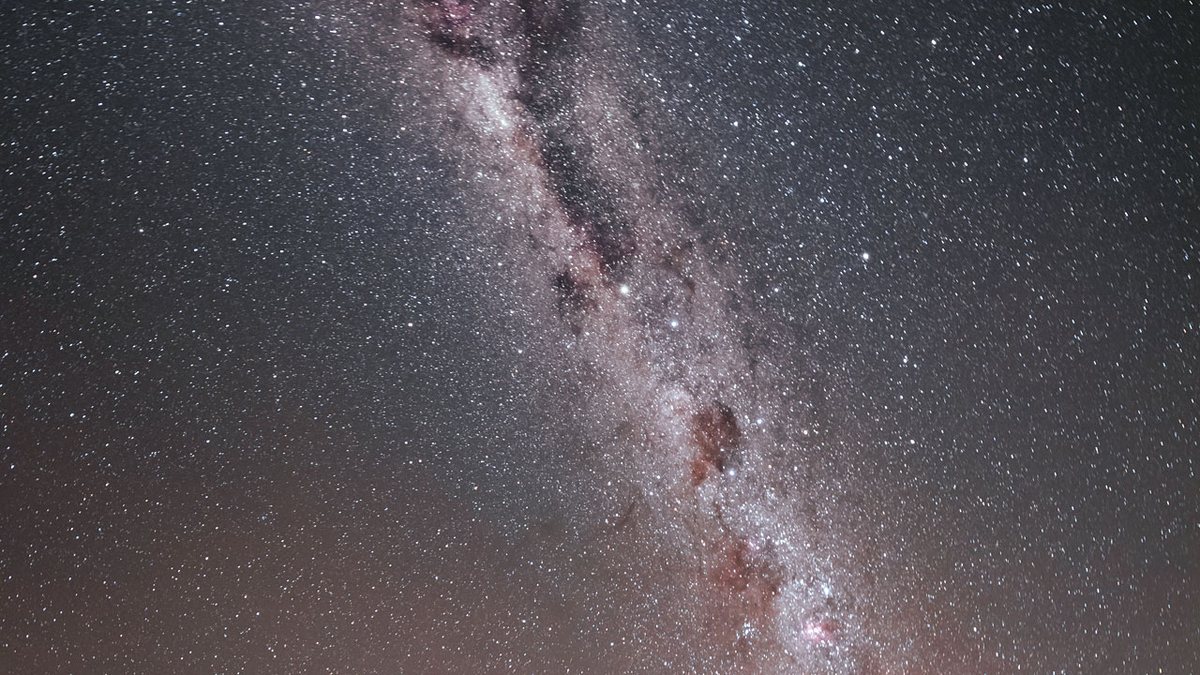
- Light bends as it passes through air, and temperature variations make that bending fluctuate.
- Stars are effectively points of light, so the flicker is obvious.
- Planets have a measurable size, so the fluctuations tend to balance out.
The Hong Kong Observatory explains that when light enters a transparent medium such as air, it generally changes direction, or is scattered.[1] Because temperature varies from place to place in the atmosphere, this scattering fluctuates, and a star appears to flicker.[1]
Why planets look steadier
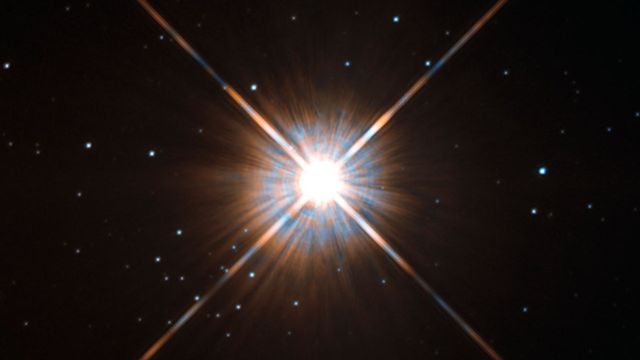
Stars are so distant that they can be treated as points of light.[1] Planets are not: they have a measurable apparent size. The scattered light rays from different parts of a planet's disk balance out, producing a steadier image.[1]
The role of turbulence and position
Encyclopaedia Britannica gives the same explanation: turbulence bends starlight as it passes through the atmosphere, and stars appear as tiny points of light that are more easily buffeted about.[2] Planets appear as small disks, and the larger area of light cancels out the distortions.[2] Position matters too: light from an overhead star passes through less atmosphere than that from a star on the horizon, so objects near the horizon twinkle more.[2]
A rule of thumb
A steady, non-twinkling bright point is therefore often a planet. This is a guide rather than a guarantee, since the strength of twinkling depends on atmospheric conditions at the time.
Sky and Telescope gives the technical name for twinkling as astronomical scintillation and attributes it to pockets of air at different temperatures that diffract starlight. Planets appear as tiny disks larger than those pockets, so the effects cancel. Stars that truly vary in brightness do so over hours to years, far more slowly than twinkling.[3] NASA's Astronomy Picture of the Day for April 28, 2011, shows the difference in a photograph of the star Regulus and the planet Mars: the star's light trail varied in brightness and color, while Mars left a steadier reddish trail, because the planet's disk is a broader bundle of light rays and so is, on average, less affected by small-scale turbulence.[4]
Sources4tap to view
- Hong Kong Observatory. Why do stars twinkle?. Accessed October 5, 2026.
- Encyclopaedia Britannica (The Editors). Why Do Stars Twinkle?. Accessed October 5, 2026.
- Sky & Telescope. Why do stars twinkle?. Accessed October 5, 2026.
- NASA Astronomy Picture of the Day. APOD: Scintillating (April 28, 2011). April 28, 2011. Accessed October 5, 2026.
The closing rule of thumb is general guidance rather than a direct quotation from the cited sources.