
Night Sky Notes: Astronomy articles that cite their sources: the Moon, planets, stars, galaxies and space missions.
More articles
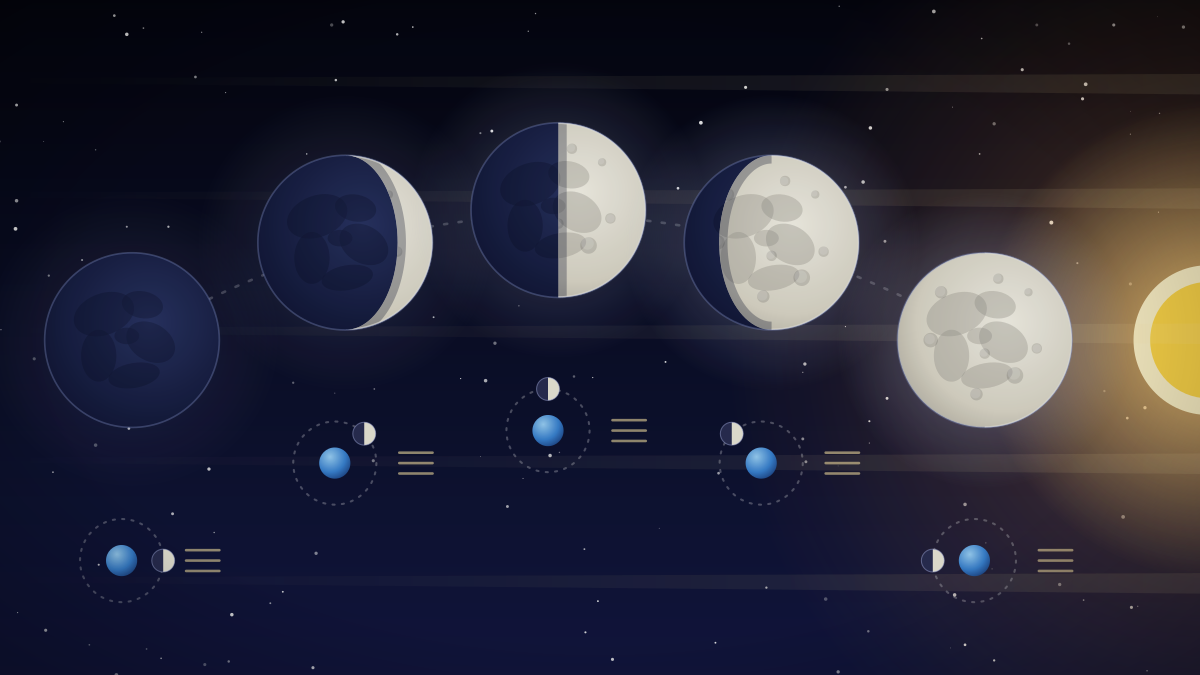
Why Does the Moon Have Phases?
Moon phases come from the changing view of the Moon's sunlit half as it orbits Earth. The cycle from one new Moon to the next takes about 29.5 days, longer than the 27.3-day orbit.
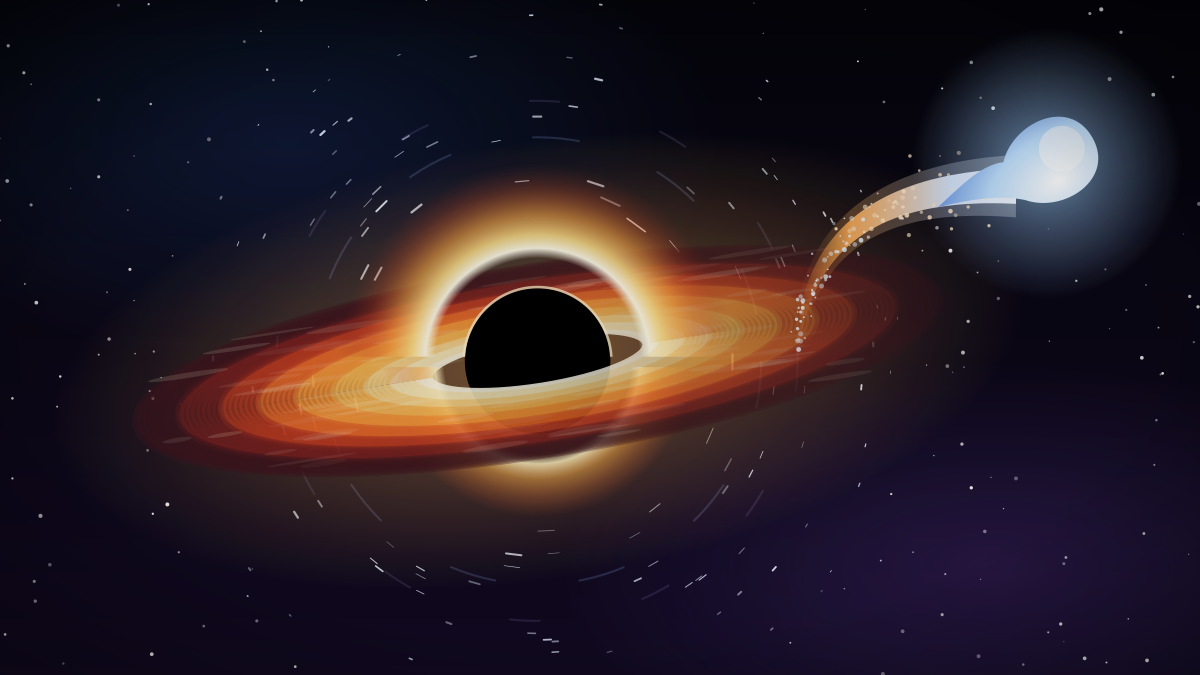
What Is a Black Hole?
A black hole is a large amount of matter packed into a very small space, with gravity so strong at its event horizon that not even light escapes. Types range from stellar-mass to supermassive.
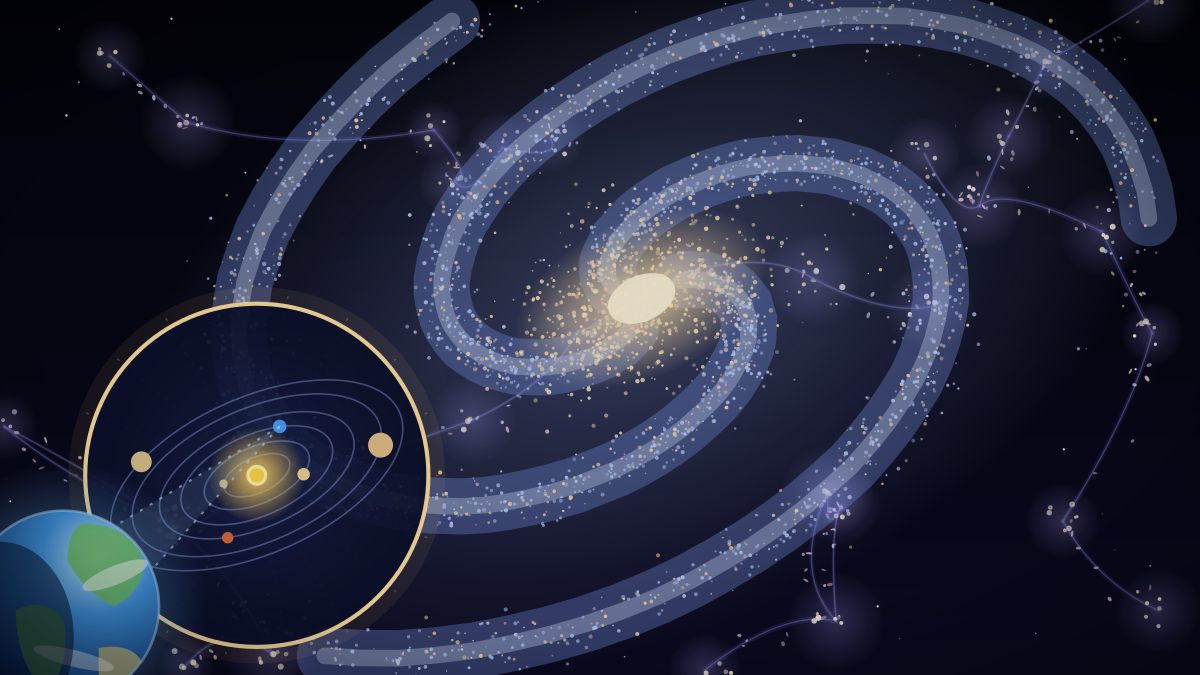
How Big Is the Universe?
The observable universe is estimated at about 92 to 93 billion light-years across, but the whole universe is probably larger, and it is unknown whether it is finite or infinite.
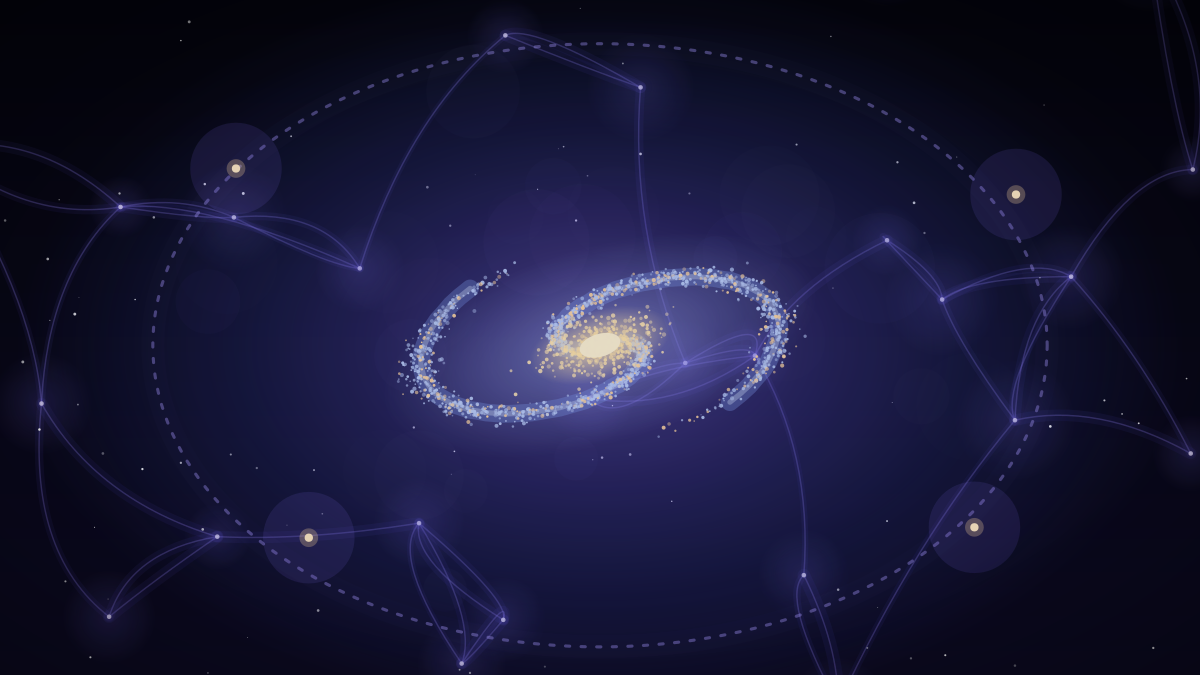
What Is Dark Matter?
Dark matter is an invisible form of matter that interacts through gravity and makes up most of the matter in the universe. Its nature is still unknown despite nearly a century of study.
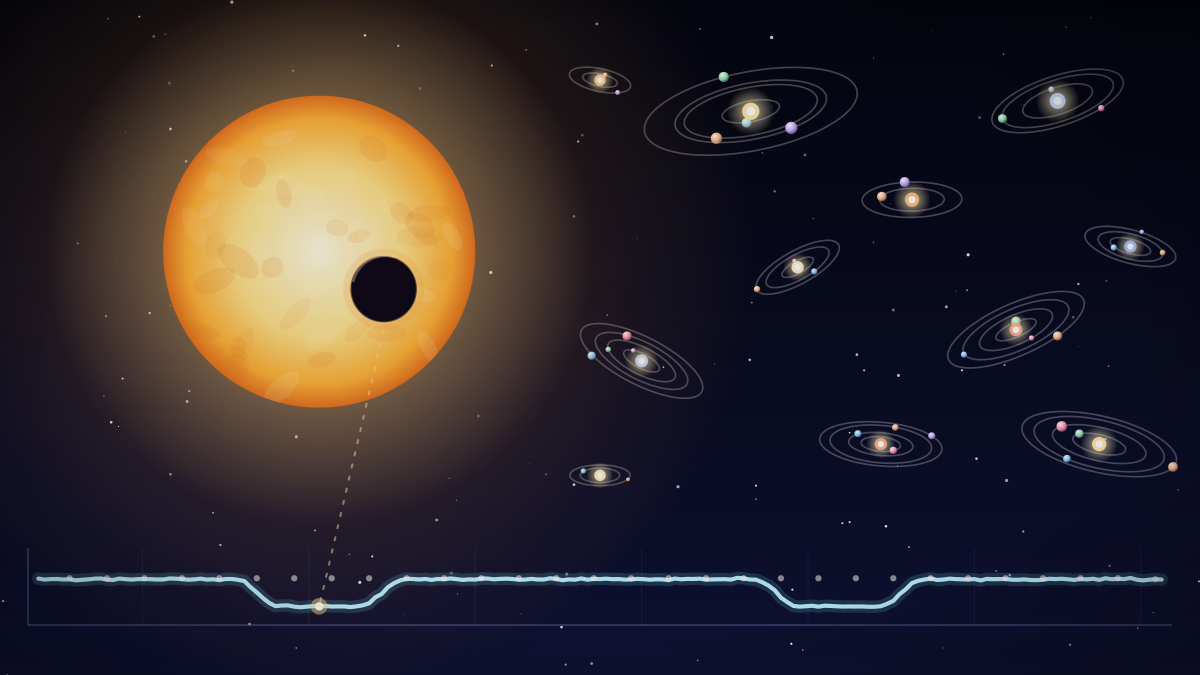
How Many Planets Have Been Found Beyond the Solar System?
More than 6,000 planets beyond the solar system are confirmed. The NASA Exoplanet Archive listed 6,445 on 8 October 2026, and the total keeps growing. Most were found by the transit method.
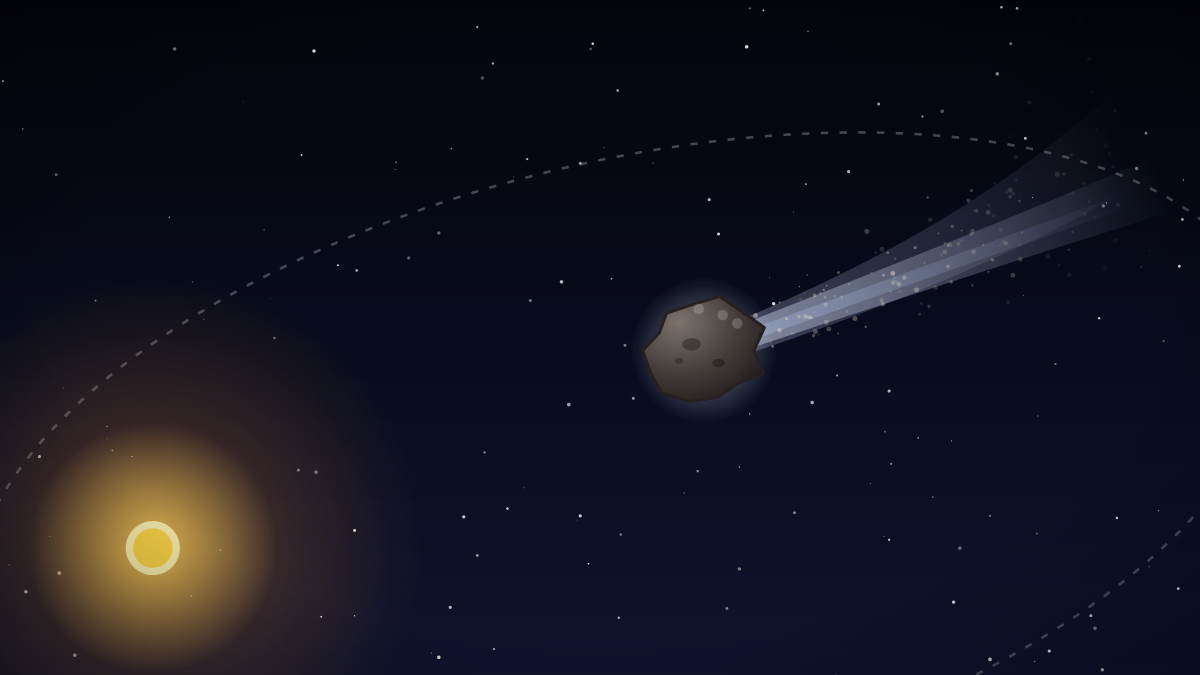
Near-Earth Object 1998 SH2, Tracked as an Asteroid Since 1998, Is Reclassified as a Comet
A NASA-led study in Nature Astronomy found that 1998 SH2 shows a faint tail and gas-driven orbital nudges, so the long-tracked asteroid is now treated as a comet.
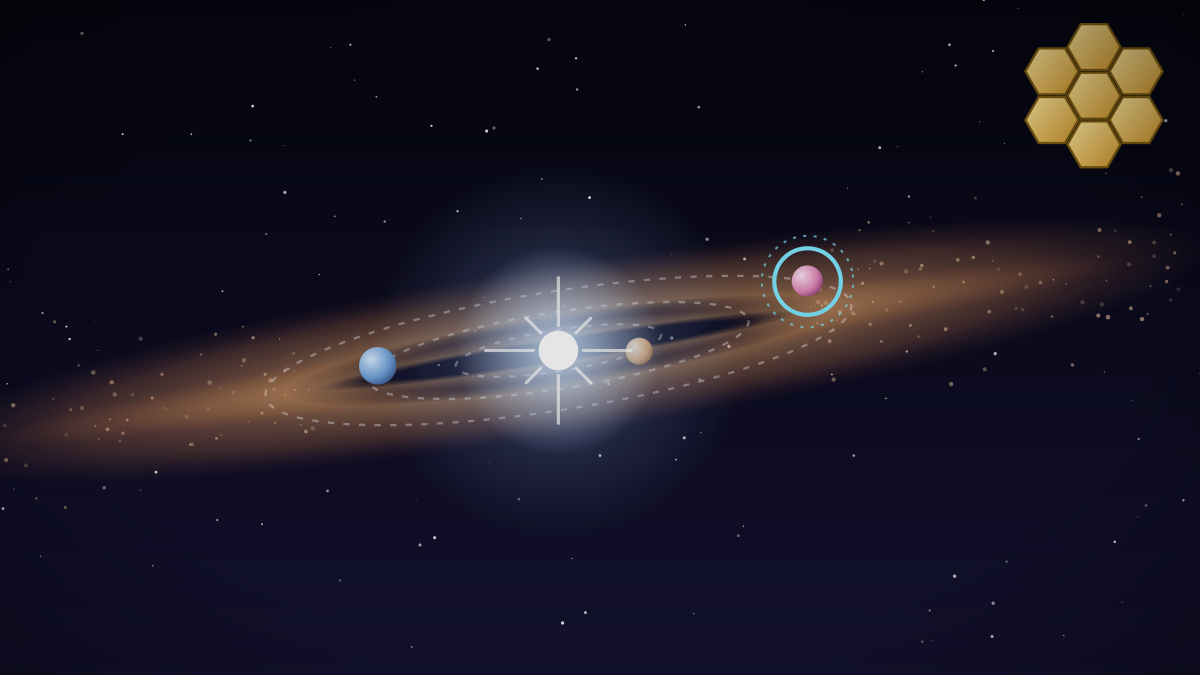
Webb Spectra Reveal a Third Giant Planet, Beta Pictoris d, in a Well-Studied Young System
Atmospheric signatures in Webb spectra led astronomers to a third giant planet around Beta Pictoris, a result also reported by a separate ESO-based team.
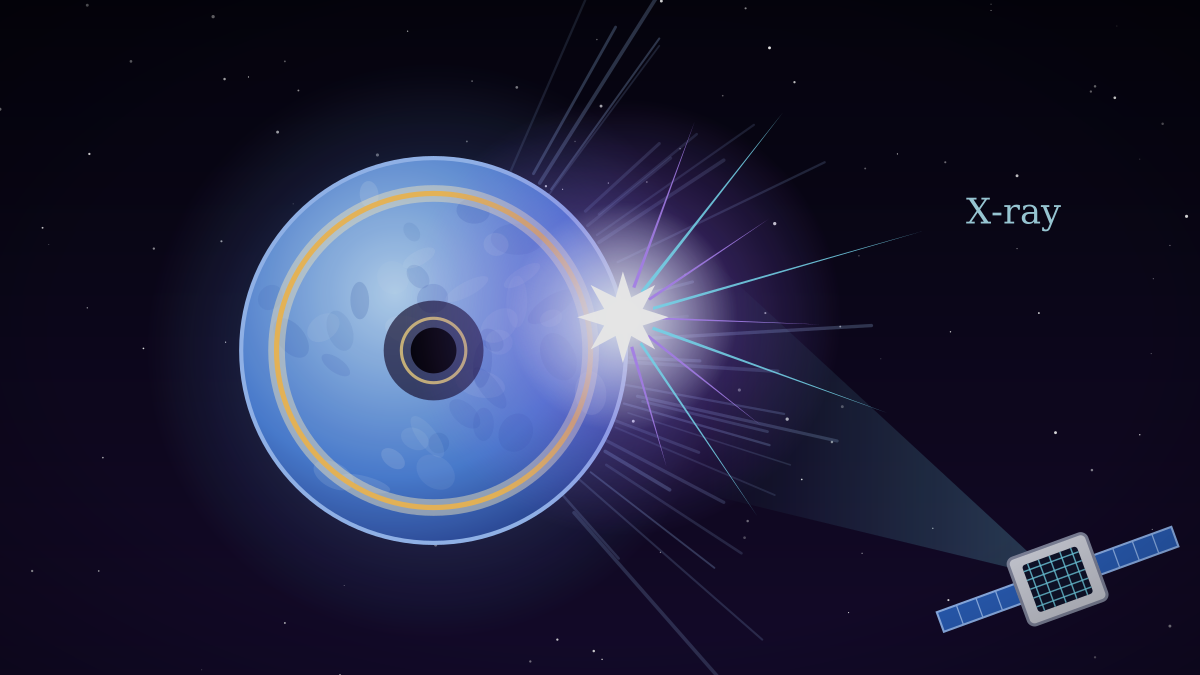
Einstein Probe Catches Faint X-ray Flash From the First Moments of Supernova SN 2026gzf
A rare shock breakout seen at the start of supernova SN 2026gzf, about 500 million light-years away, lacked the jets expected for its type and hints at varied deaths of massive stars.
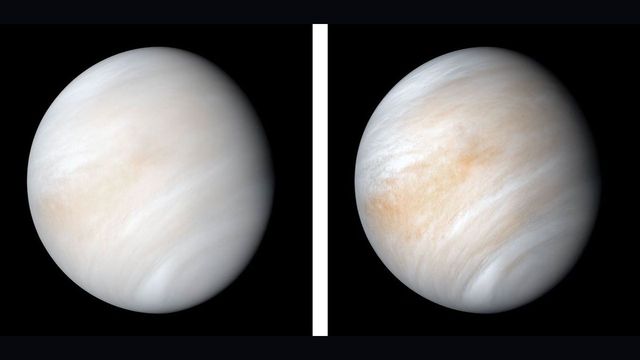
Closer to the Sun, Yet Cooler: Why Venus Out-Burns Mercury
Mercury hugs the Sun, but Venus is the hottest planet in the solar system. A thick carbon dioxide atmosphere, not distance, explains the surprise.
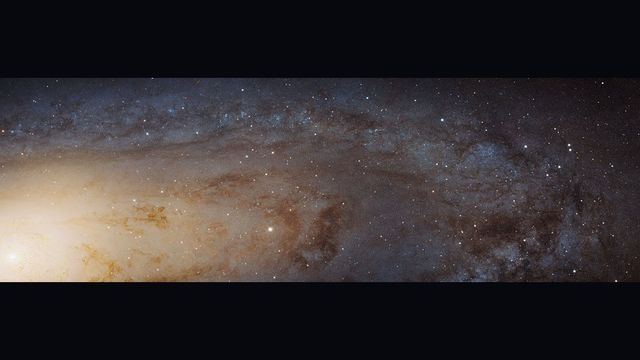
Galactic Crash Now a Coin Flip: Andromeda Collision Forecast Revised
For years the Milky Way was said to be heading for a head-on crash with Andromeda in a few billion years. A 2025 study using Hubble and Gaia data puts the odds closer to 50-50.
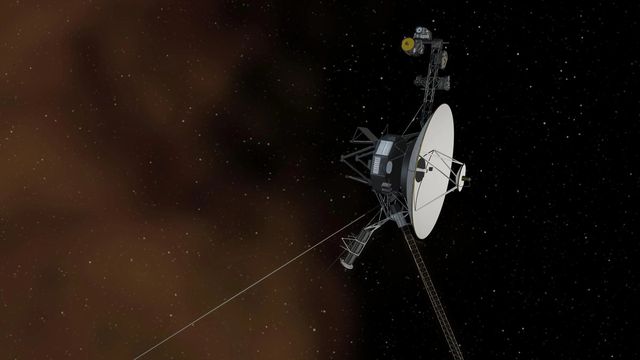
Voyager 1 Nears One Light-Day From Earth, a First for Any Human-Made Object
Launched in 1977, Voyager 1 is the most distant human-made object and is about to pass a distance light needs a full day to cross. Its power supply is fading.
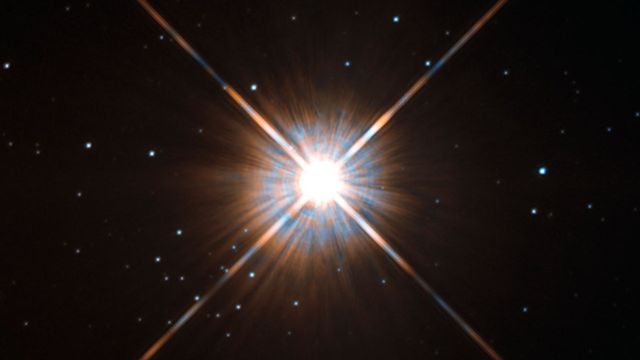
Proxima Centauri, the Sun's Closest Neighbor, Is Small, Faint and Fiery
At about 4.2 light-years away, Proxima Centauri is the nearest star to the Sun, yet it is too dim to see without a telescope. Its planets keep astronomers arguing about habitability.
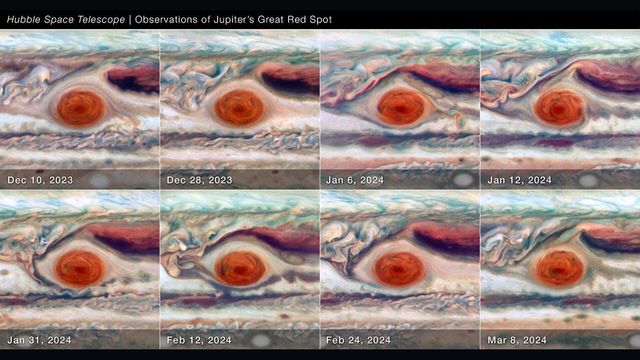
Jupiter's Great Red Spot: A Centuries-Old Storm That Keeps Shrinking
The Great Red Spot is a giant storm that has been watched for well over a century and may have been seen in the 1600s. It is smaller than ever, and measurements of its size vary by source.
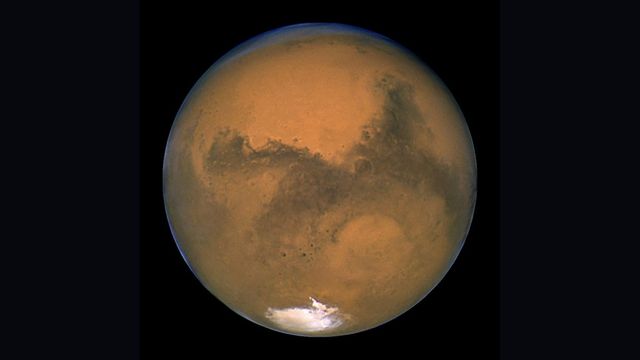
Why Mars Is Red: Rust Dust, and a New Twist on Which Rust
Mars owes its color to oxidized iron in its dust, but a 2025 study argues the key mineral is a water-rich one that hints at a cold, wet past.
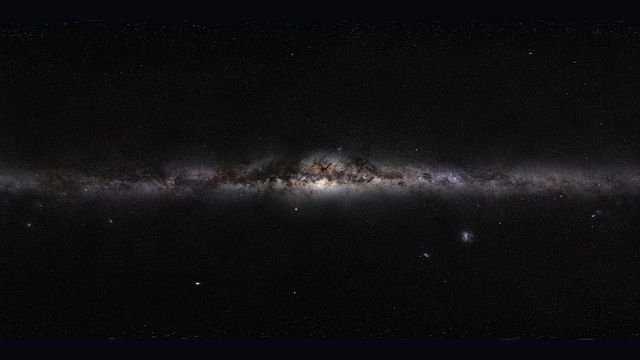
What Is the Milky Way? A Guide to Earth's Home Galaxy
The Milky Way is a barred spiral galaxy about 100,000 light-years across, with a supermassive black hole at its center and a star count that is still only roughly known.
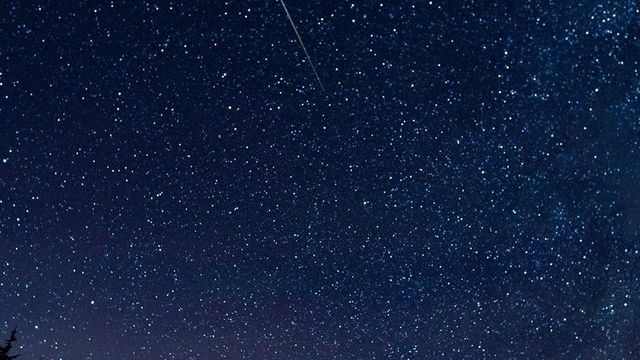
What Causes Meteor Showers? Comet Dust Meets Earth's Atmosphere
Meteor showers happen when Earth passes through trails of dusty debris left by comets, and the grains are mostly no bigger than a pea.
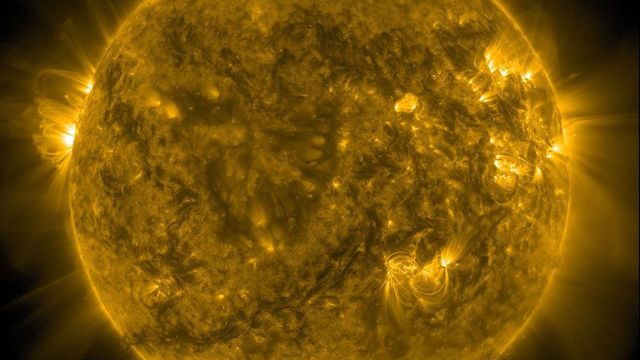
The Life Cycle of the Sun: From Gas Cloud to White Dwarf
The Sun is roughly halfway through a life that began in a collapsing cloud and will end as a white dwarf, with a red giant phase in between.
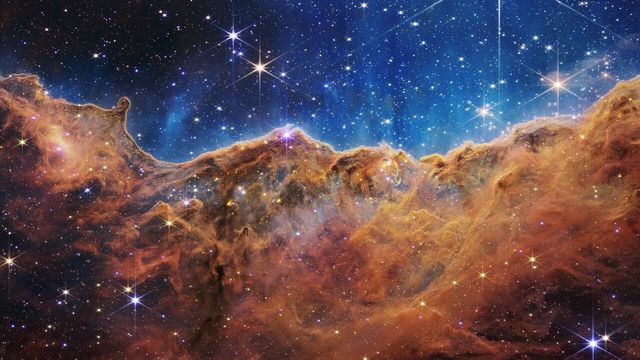
What the James Webb Space Telescope Sees: The Universe in Infrared
Webb's 6.5-meter gold mirror and infrared instruments let it study the first galaxies, dust-shrouded stars and the atmospheres of distant planets.
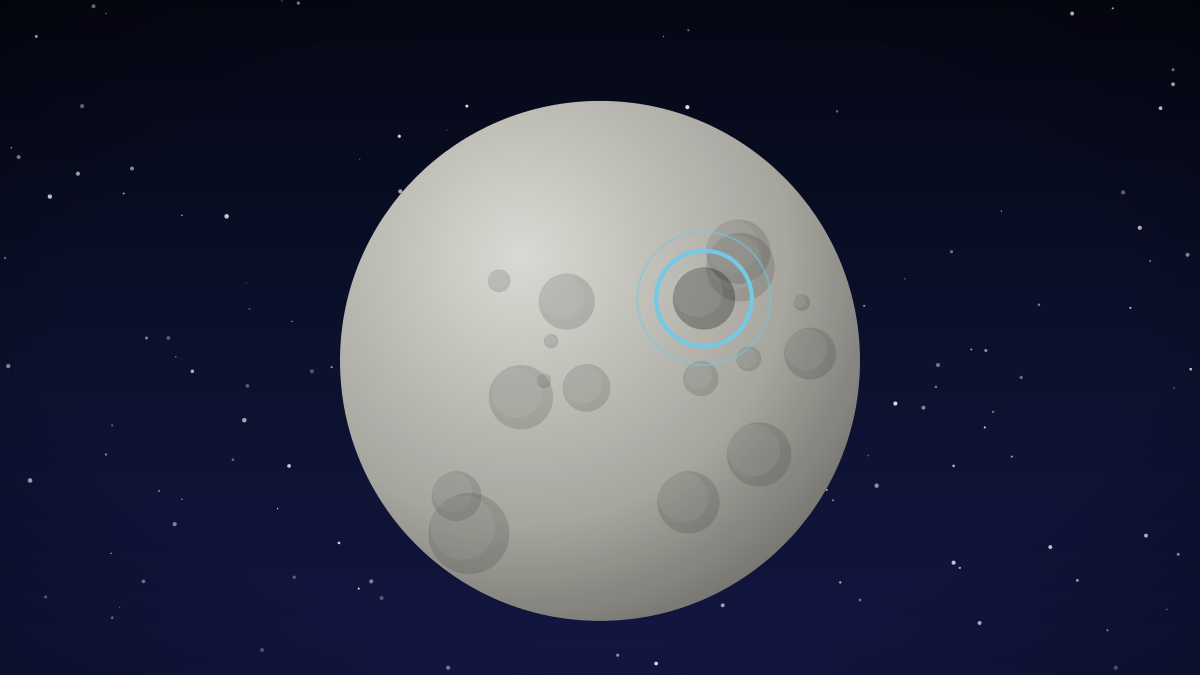
Scientists Found a Huge New Crater on the Moon. Here's What It Means
NASA's Lunar Reconnaissance Orbiter team has identified the largest freshly formed impact crater yet found in the solar system. A look at what was found and why it matters.
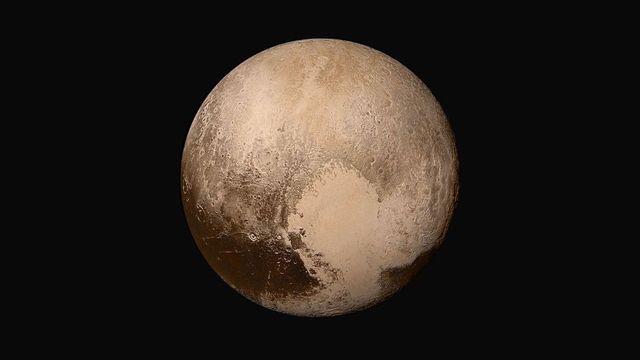
Why Pluto Isn't a Planet, and Why People Still Argue About It
In 2006 the International Astronomical Union adopted a formal definition of a planet. Pluto does not satisfy all of its criteria.
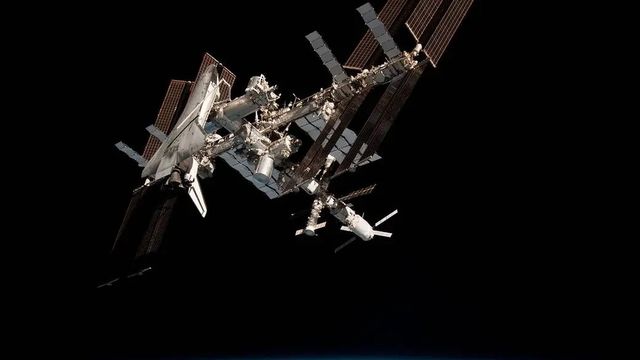
How to Spot the International Space Station from Your Backyard
The International Space Station is visible to the naked eye. When it can be seen and how to find the times for a given location.
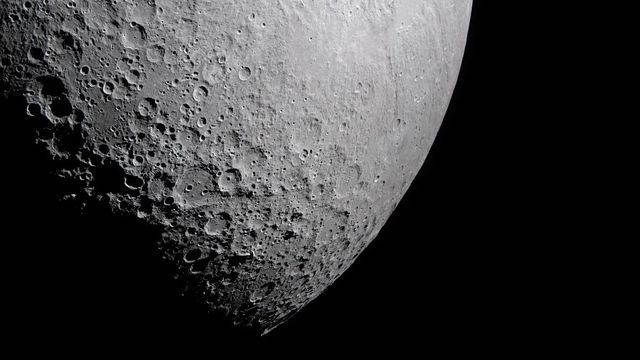
How to See the Moon's Craters with Binoculars
Ordinary binoculars reveal craters, ridges and plains on the Moon. The phase of the Moon matters more than the equipment.
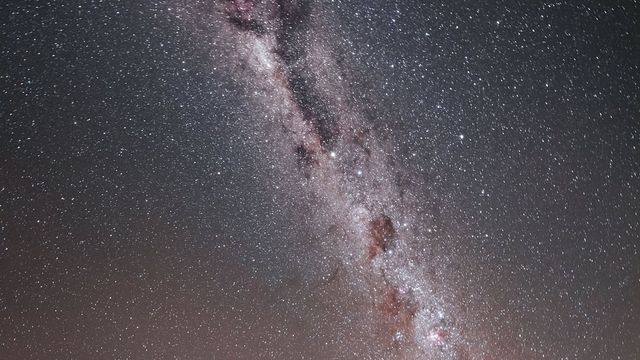
Why Stars Twinkle but Planets Usually Don't
Twinkling is a property of the atmosphere, not the star. The apparent size of the object explains why planets look steadier.