How to Spot the International Space Station from Your Backyard
- Sightings occur within a few hours before or after sunrise or sunset.
- The station looks like an airplane or a very bright star, without flashing lights, and does not change direction.
- NASA's Spot the Station service provides times for a given location.
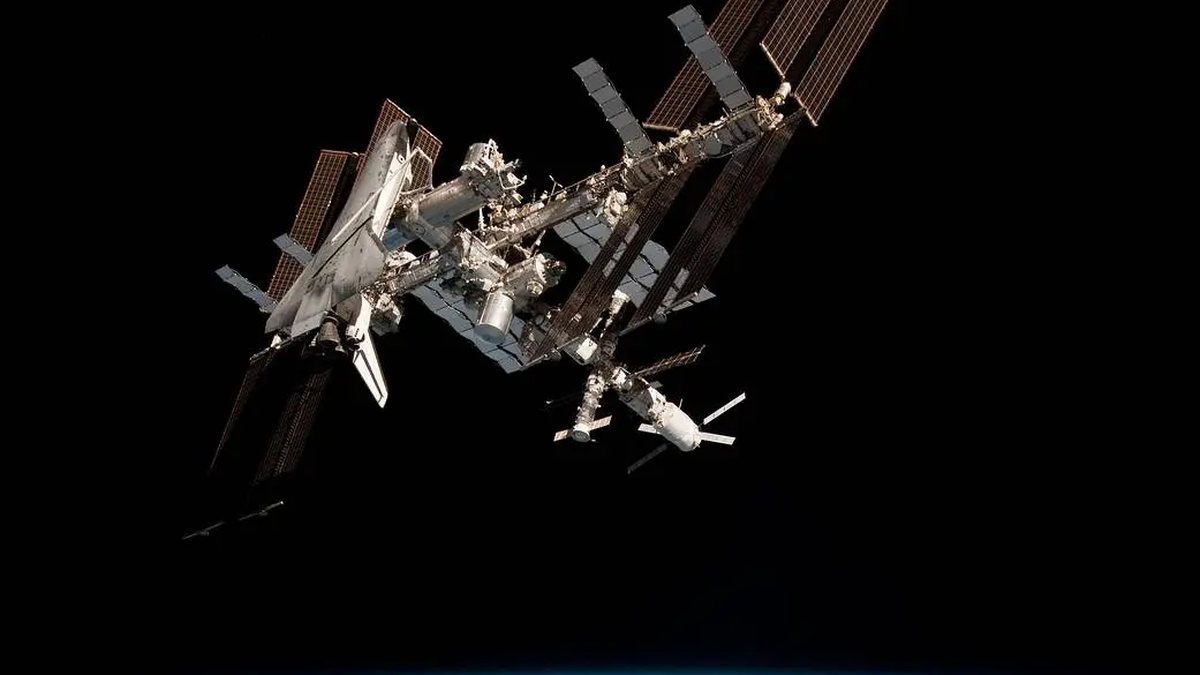
The International Space Station (ISS) can be seen without a telescope. Its visibility depends on timing and location, and NASA publishes viewing times for both.
Why it is visible
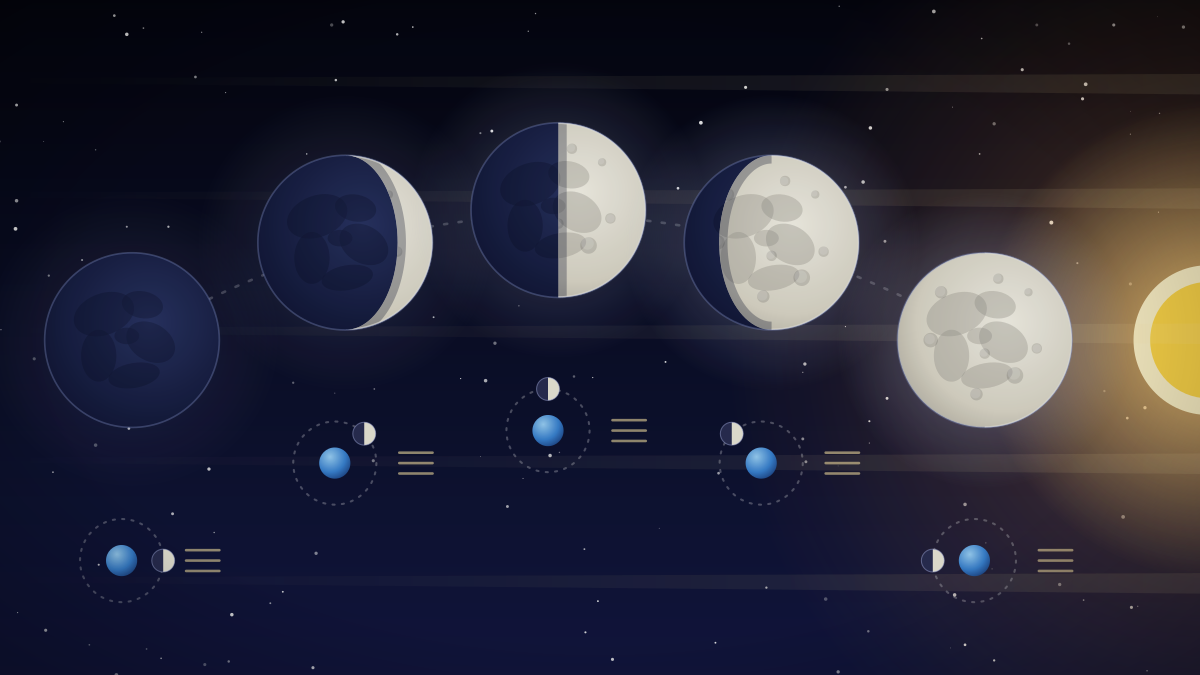
The station is visible because it reflects light from the Sun, in the same way the Moon does.[1] For that reason, NASA states that all sightings occur within a few hours before or after sunrise or sunset, when the station is sunlit but the sky below it is dark.[2]
How often
NASA says that, depending on location, the station may be visible several times a week or only once or twice a month.[1]
Finding a pass
- Open NASA's Spot the Station service (website or mobile app) and enter a location to see upcoming sightings.[2]
- Note the start time and where the station will appear.
- Go outdoors a few minutes early with a clear view of the sky.
Recognizing the station
NASA describes the station as appearing similar to an airplane or a very bright star moving across the night sky, except that it has no flashing lights and does not change direction.[2] It travels at about five miles per second, completing 16 orbits of Earth every 24 hours.[3]
About the station
The ISS has been continuously occupied since November 2, 2000, and orbits approximately 250 miles above Earth at 17,500 miles per hour.[4] More than 280 astronauts from 26 countries have visited, and NASA describes the station as a state-of-the-art scientific laboratory.[4]
The European Space Agency gives the station's altitude as 400 kilometers and its speed as 28,800 kilometers per hour, with one orbit taking 92 minutes, and notes that Earth's rotation shifts the ground track about 2,200 kilometers west on each orbit.[5] The Canadian Space Agency describes the station as the second brightest object in the night sky after the Moon, crossing the sky without blinking lights.[6]
Sources6tap to view
- NASA. Spot the Station: Frequently Asked Questions. Accessed October 5, 2026.
- NASA. Spot the Station. May 6, 2026. Accessed October 5, 2026.
- NASA. International Space Station Facts and Figures. July 16, 2024. Accessed October 5, 2026.
- NASA. International Space Station. Updated March 5, 2026. Accessed October 5, 2026.
- European Space Agency. Where is the International Space Station?. Accessed October 5, 2026.
- Canadian Space Agency. Did You Know? The International Space Station (infographic). November 20, 2017. Accessed October 5, 2026.
Sighting times vary by location. Always check NASA's Spot the Station for current predictions.