How to See the Moon's Craters with Binoculars
- Binoculars are a simple instrument for starting lunar observation.
- The terminator, the line between light and dark, shows surface features in strong relief.
- A full Moon looks flat because the Sun shines almost straight onto it.
Lunar observing does not require a telescope. Joe Rao, writing for Space.com, calls binoculars "the ideal starter instrument because they're so simple to use."[1] Through them, the Moon's surface shows mountains, plains and craters, the large hollows with raised rims.[1]
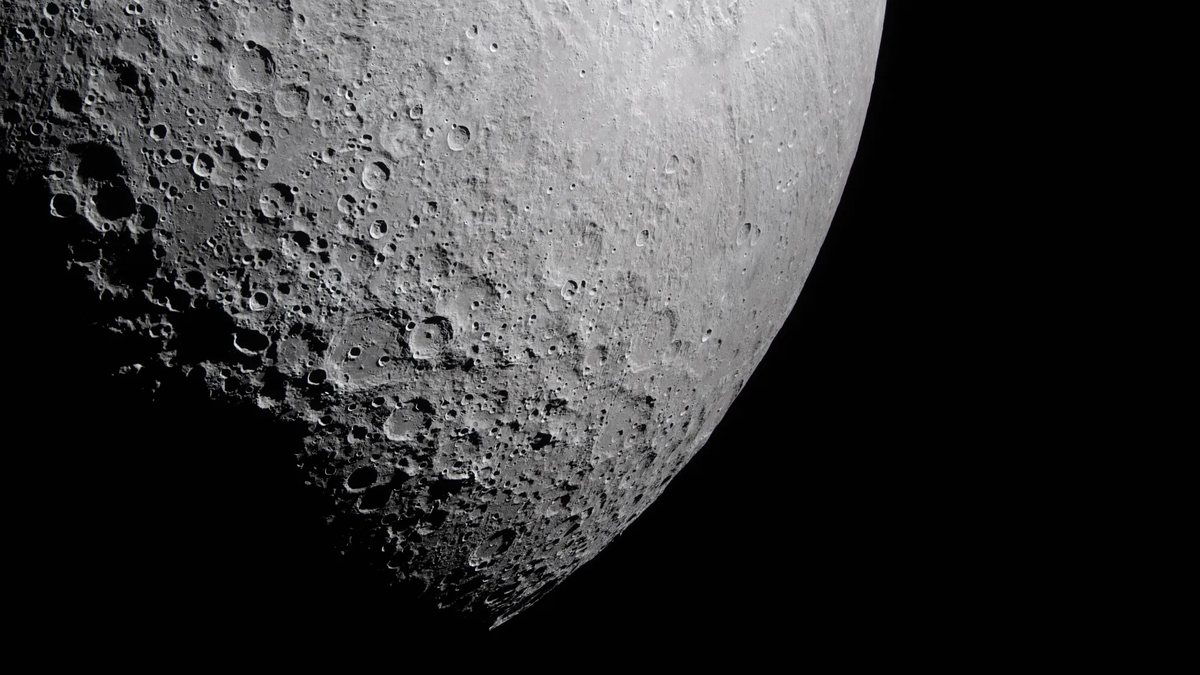
A heavily cratered surface
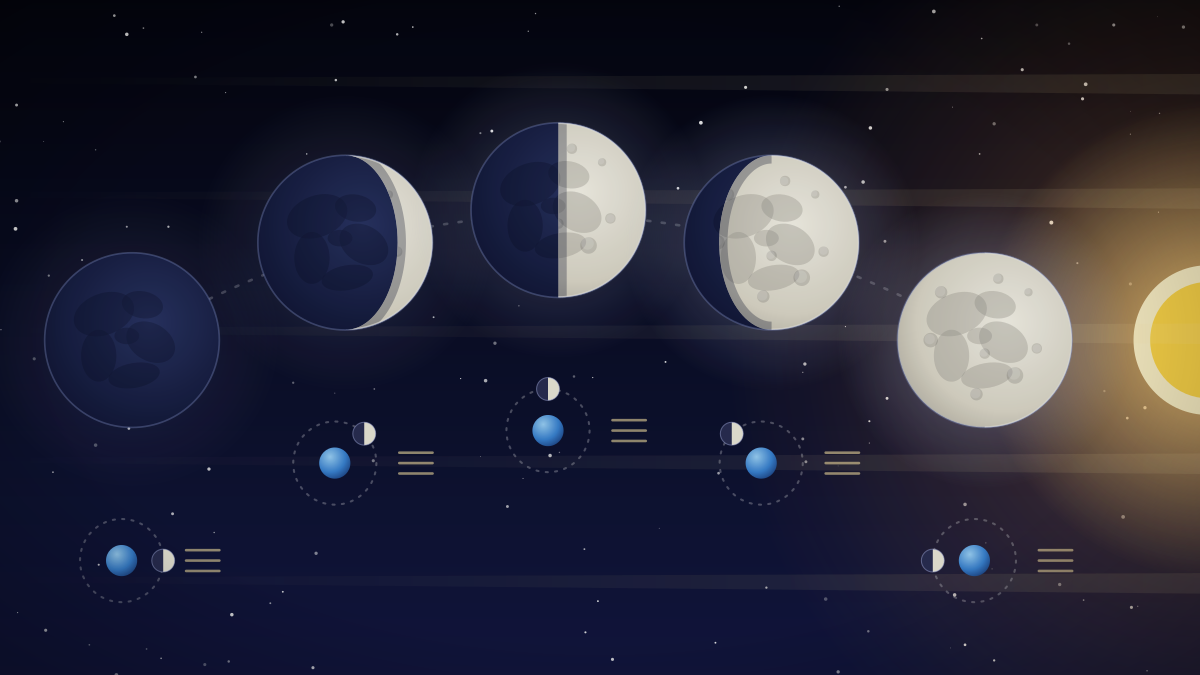
NASA notes that the lunar surface is heavily cratered, and that with no liquid water or wind on the Moon, evidence of the solar system's impact history has been preserved there for billions of years.[2] The Moon goes through eight phases each month, from new Moon through full Moon and back.[2]
Choosing the phase
The phase matters more than the equipment. At full Moon the Sun is shining almost directly on the surface, so it appears flat and one-dimensional.[1] Features show best along the terminator, the line separating the lit and dark parts. As the terminator moves, features near it stand out in bold relief.[1] Rao recommends the three to four days after first quarter as the very best time to observe.[1]
Practical tips
- Brace the binoculars, or the elbows, against a wall, fence or car roof to reduce shake.
- Allow a few minutes for the eyes to adjust to the dark.
- Begin along the terminator and scan slowly.
For a recent lunar discovery, see the related news explainer.
An Astronomy magazine guide likewise calls the full Moon the worst time to look, because direct sunlight minimizes shadows, and suggests evening observing from shortly after new Moon until about two days after first quarter.[4] Along the terminator, mountaintops catch sunlight while lower terrain around them stays dark, and crater walls cast distinctive shadows; Copernicus, about 58 miles wide, is named as a target roughly ten days after new Moon.[4] NASA notes that the cycle of eight phases repeats about every 29.5 days.[3] The two guides give slightly different windows, so some flexibility in timing is reasonable.
Sources4tap to view
- Space.com (Joe Rao). How to Observe the Moon Saturday Night. September 17, 2010. Accessed October 5, 2026.
- NASA Science. Earth's Moon. Updated September 1, 2026. Accessed October 5, 2026.
- NASA Science. Moon Phases. Accessed October 5, 2026.
- Astronomy magazine (Michael E. Bakich). Observe the Moon through binoculars. June 24, 2014; updated May 18, 2023. Accessed October 5, 2026.
The tips above are general observing practice; the phase and terminator guidance is from the cited article.