
Stars
Articles in this section
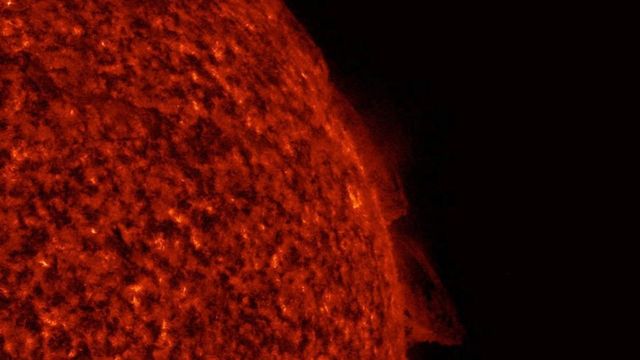
Sunlight Takes Thousands of Years or More to Escape the Sun, Then 8 Minutes to Reach Earth
Light needs only about eight minutes to cross from the Sun to Earth, but energy made in the core zigzags outward for far longer. Estimates run from thousands of years to millions, depending on assumptions.
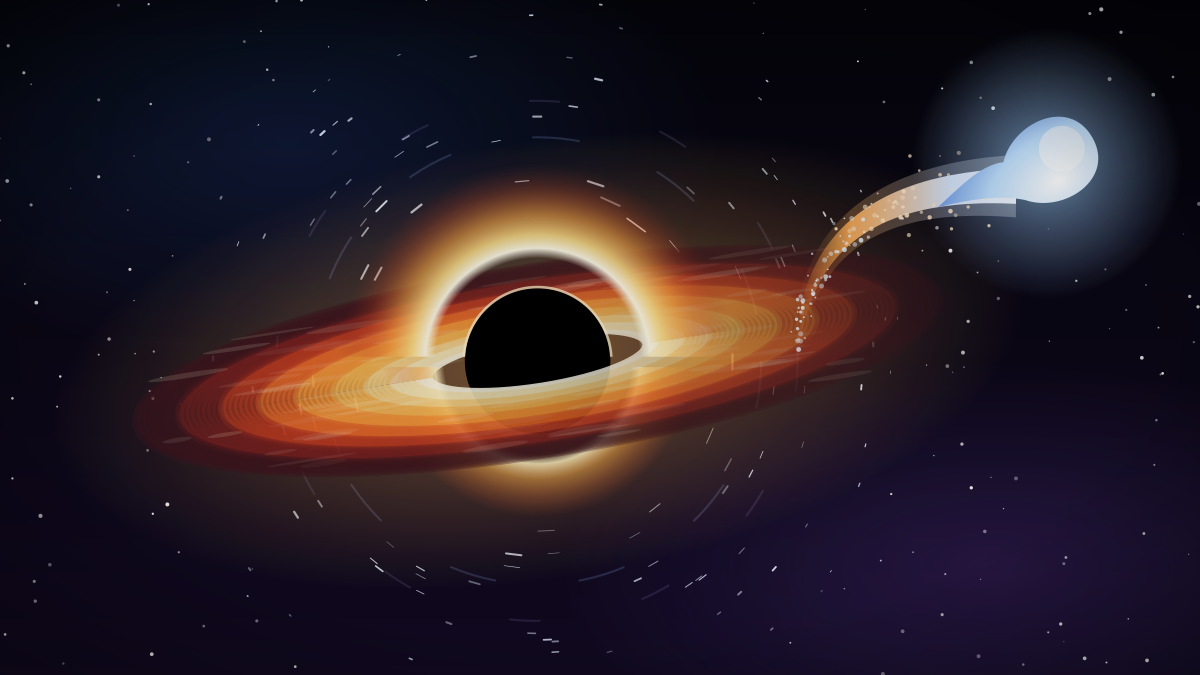
What Is a Black Hole?
A black hole is a large amount of matter packed into a very small space, with gravity so strong at its event horizon that not even light escapes. Types range from stellar-mass to supermassive.
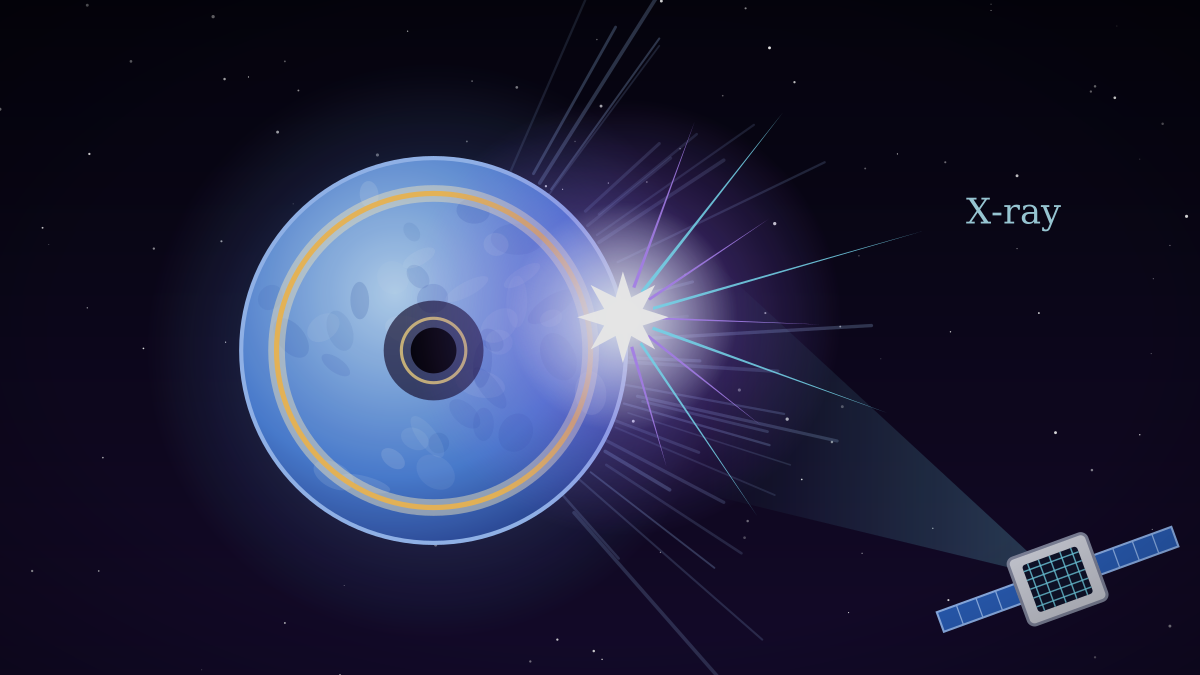
Einstein Probe Catches Faint X-ray Flash From the First Moments of Supernova SN 2026gzf
A rare shock breakout seen at the start of supernova SN 2026gzf, about 500 million light-years away, lacked the jets expected for its type and hints at varied deaths of massive stars.
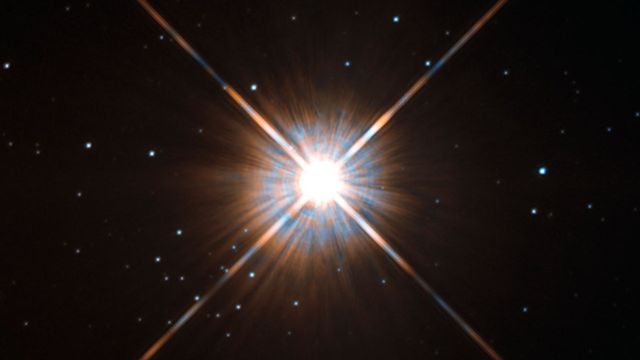
Proxima Centauri, the Sun's Closest Neighbor, Is Small, Faint and Fiery
At about 4.2 light-years away, Proxima Centauri is the nearest star to the Sun, yet it is too dim to see without a telescope. Its planets keep astronomers arguing about habitability.
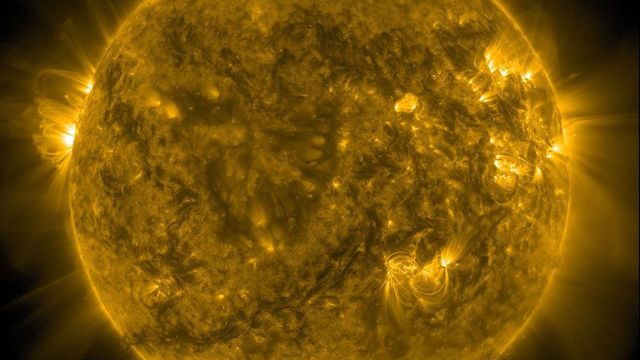
The Life Cycle of the Sun: From Gas Cloud to White Dwarf
The Sun is roughly halfway through a life that began in a collapsing cloud and will end as a white dwarf, with a red giant phase in between.
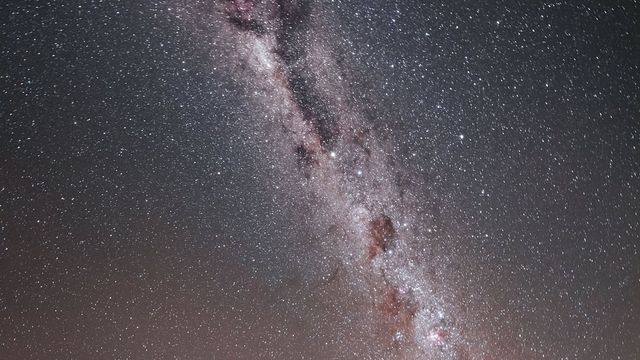
Why Stars Twinkle but Planets Usually Don't
Twinkling is a property of the atmosphere, not the star. The apparent size of the object explains why planets look steadier.